A modular multi-unit video intercom panel designed for Iranian residential buildings, balancing constrained component reuse, harsh outdoor environments, and production feasibility with a refined architectural presence.
Electropeyk, an established Iranian manufacturer of security and intercom systems, required a new generation of outdoor video door panels for multi-unit apartment buildings, a dominant residential typology in the Iranian market.
A key constraint was the use of existing certified components. The design needed to integrate pre-defined elements from the company's production line, including the wide-angle camera module, dual call-button unit, speaker and microphone assembly, and illuminated name-plate strips. All structural and electronic integration decisions were governed by the mechanical and R&D teams. Within these constraints, the design objective was to develop a housing and panel system that elevated the overall product experience, transforming standardized components into a cohesive, visually refined solution suited to modern residential entrances, without altering the underlying hardware.
"Design everything you can, then remove everything that isn't essential, what remains should feel like it could not exist any other way."
Existing panels on the Iranian market had a purely utilitarian, dated appearance. Building developers demanded products that complemented modern architectural lobbies without a premium price tag.
All internal components, camera module, call buttons, speaker, name-plate strips, were pre-certified existing parts. The housing had to adapt to them, not the other way around.
Outdoor installation in Iranian climates requires IP-rated enclosures tolerating dust, moisture, UV exposure, and temperature extremes from -10°C to +55°C.
A secondary challenge was scalability: the same panel body needed to accommodate 1, 2, or 3 call-button rows, for buildings with 2 to 6 units per floor, through a modular lower section. The camera module housing was fixed at the top of the panel, while the button zone below needed to be stackable.
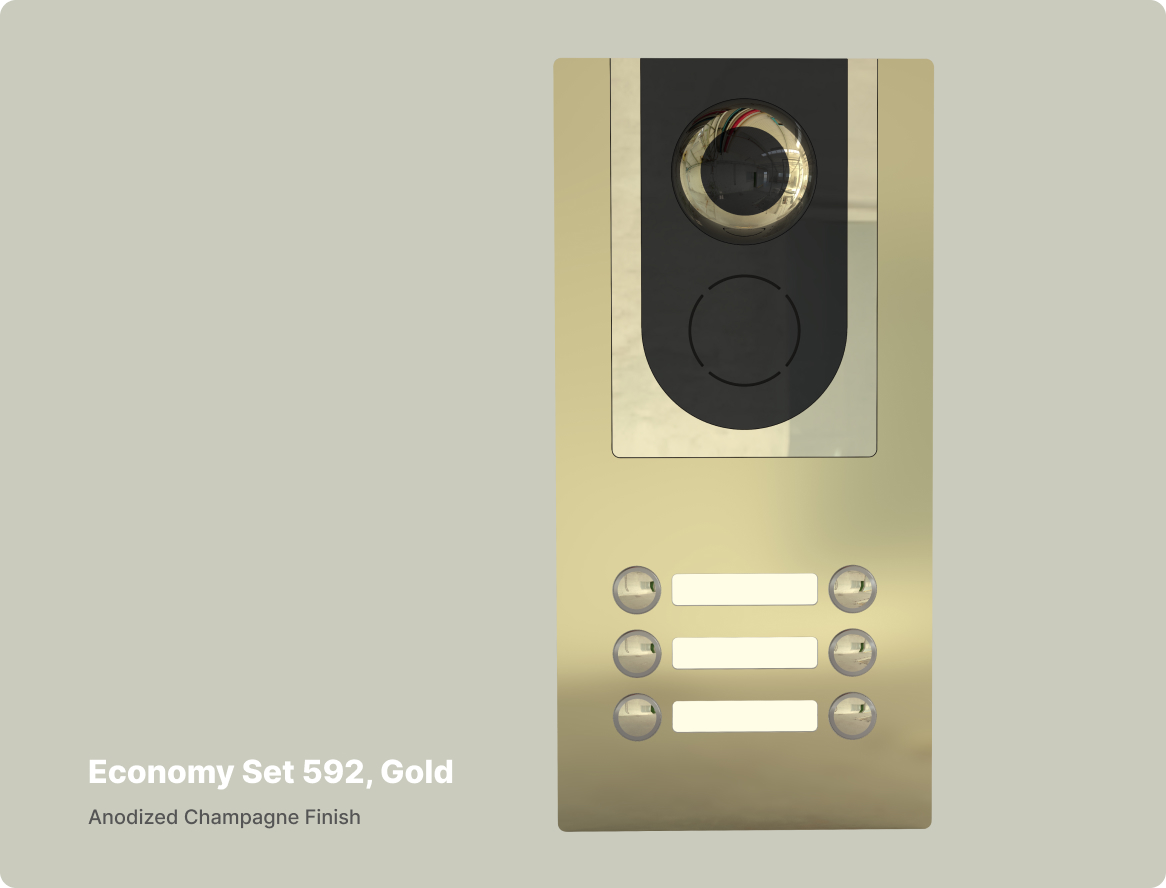
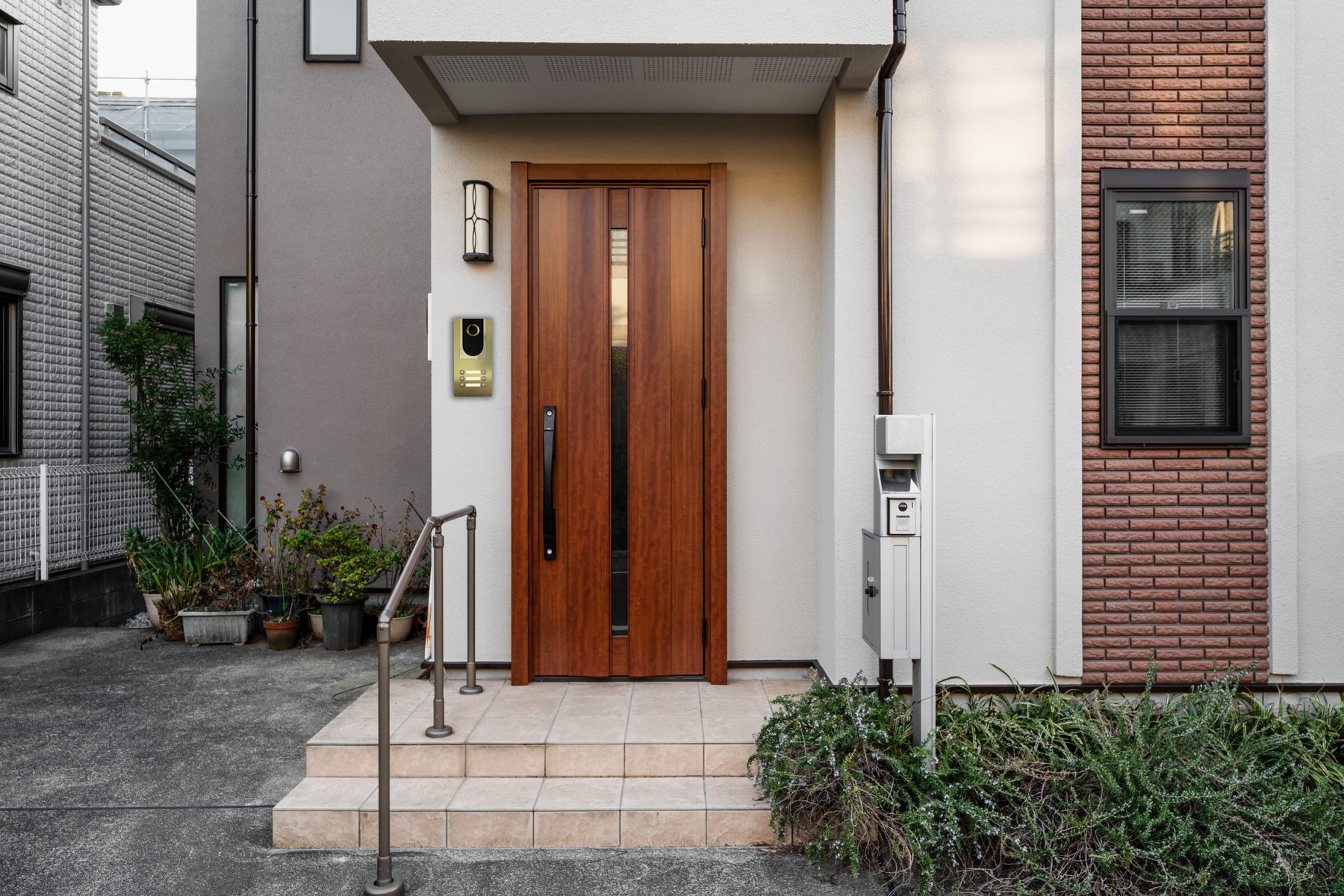
Colour variants were also required for the Economy Set 592 product line, a champagne gold anodized finish alongside the standard brushed stainless steel, targeting a distinct price segment without tooling new parts.
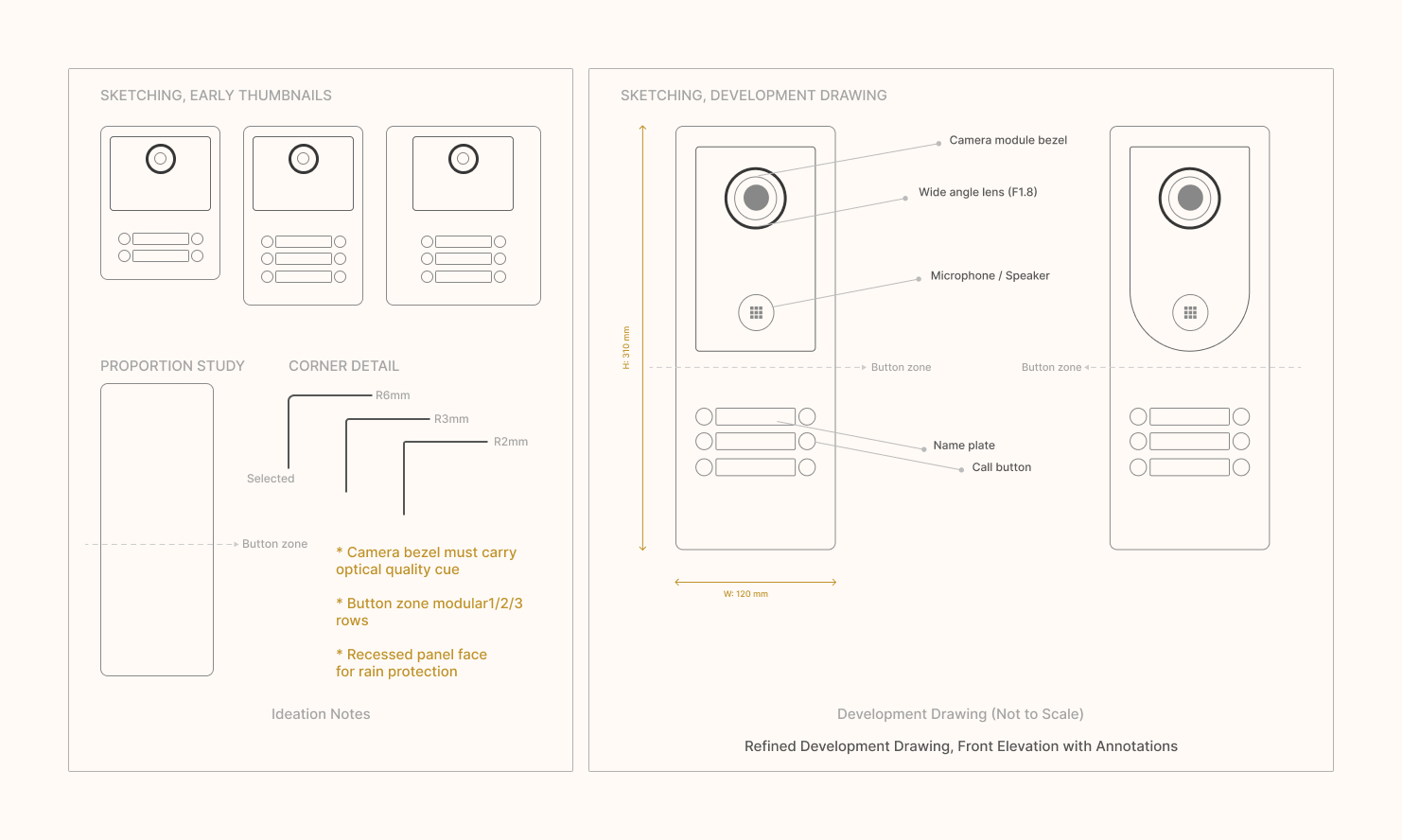
The design process began with quick thumbnail sketches exploring panel proportions, camera module integration strategies, and the relationship between the upper camera zone and the lower button zone. Key questions drove the exploration: should the camera sit flush or protrude? Should the panel be monolithic, or express a clear two-zone system?
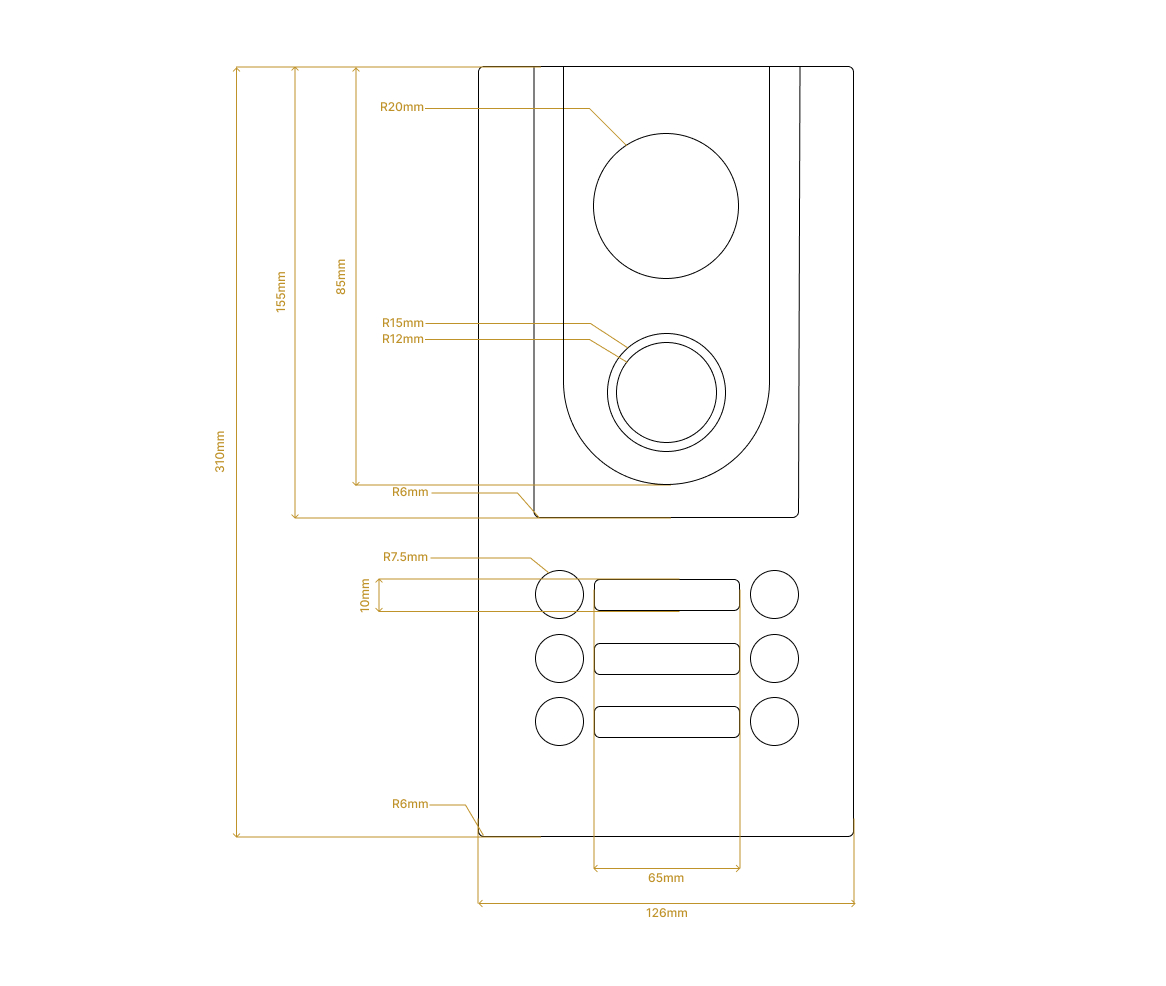
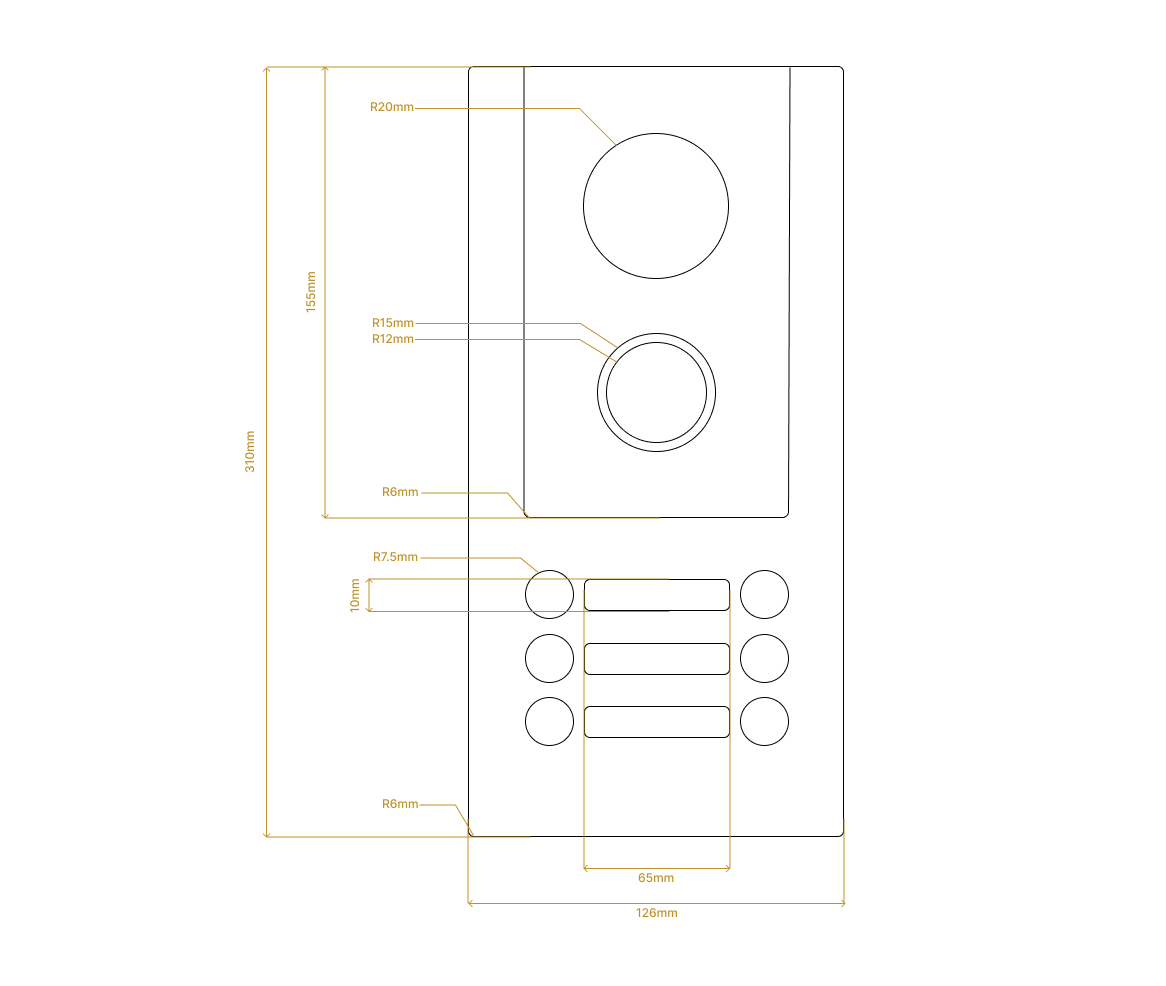
The two-zone direction was selected, and refined through a development drawing that fixed the panel at 310 mm tall, established the camera bezel as a distinct optical element, and set the button zone below as a modular, stackable field.
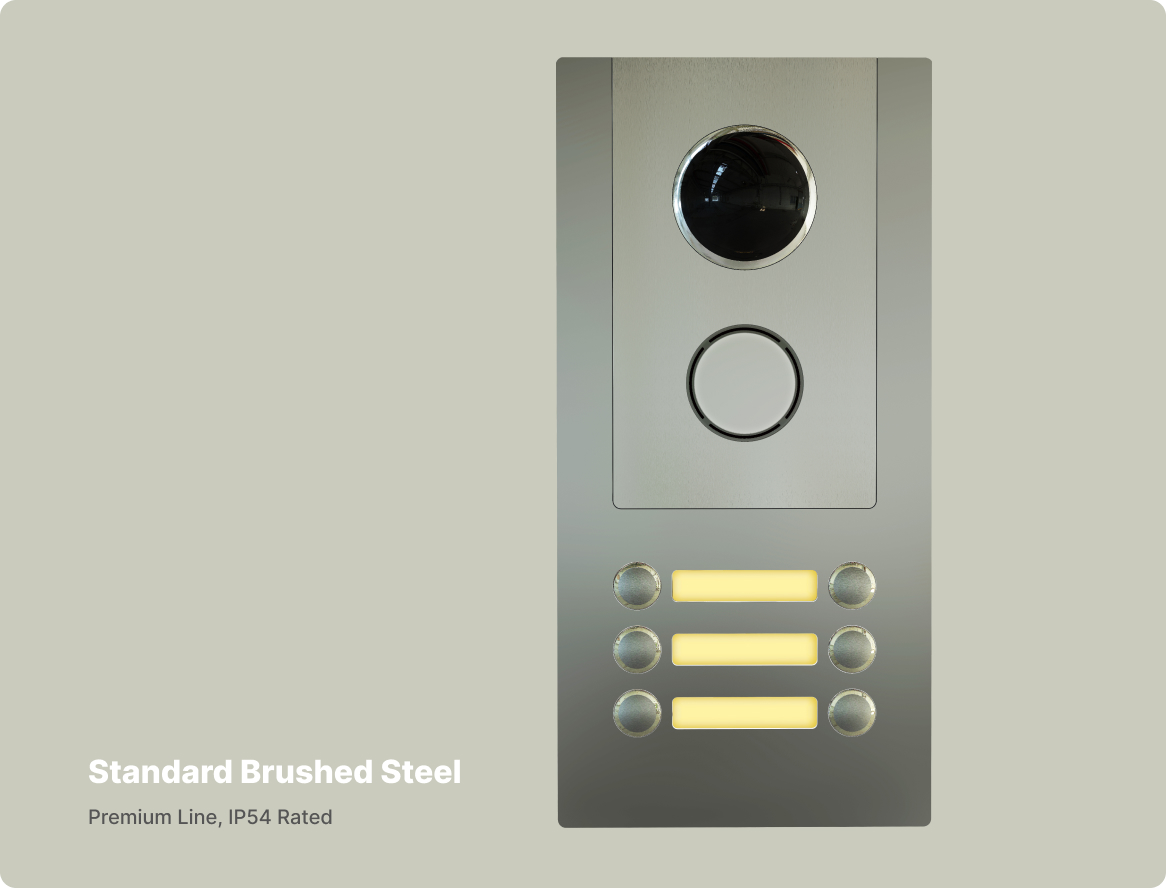
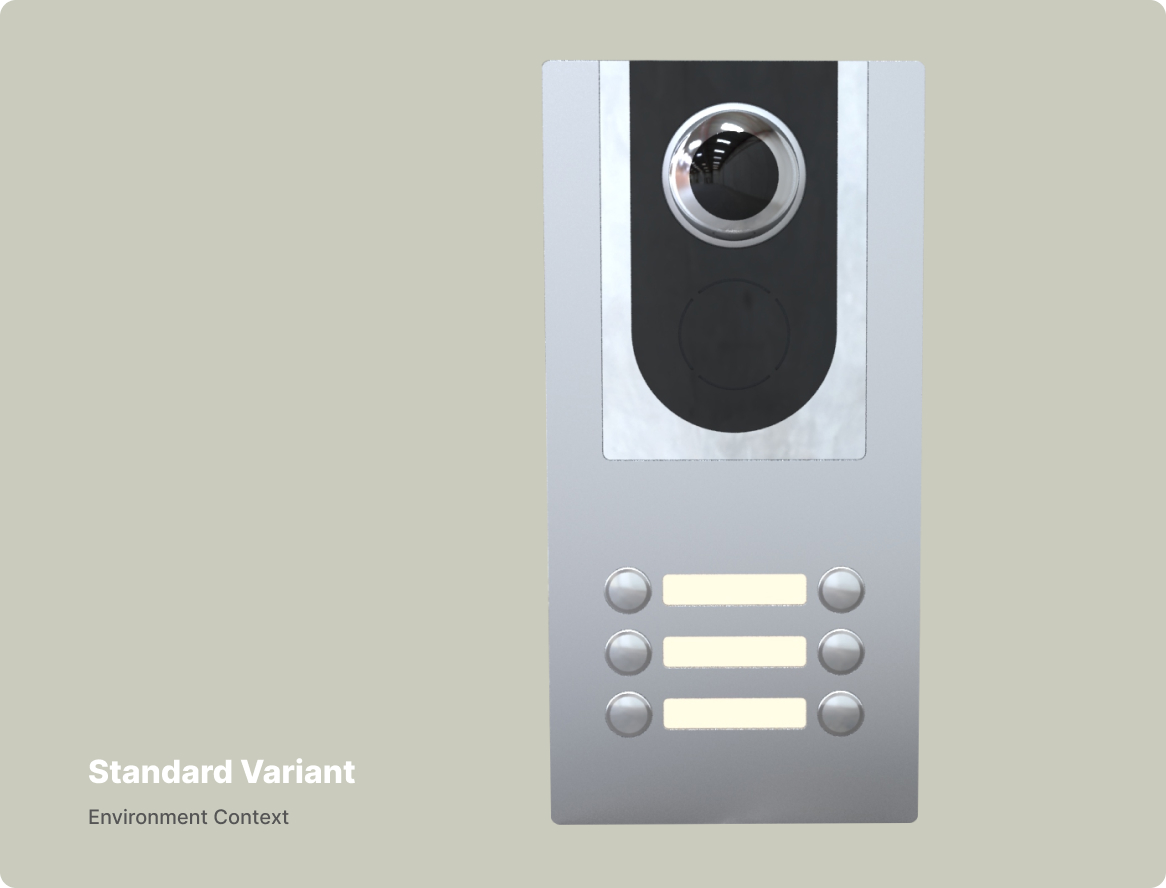
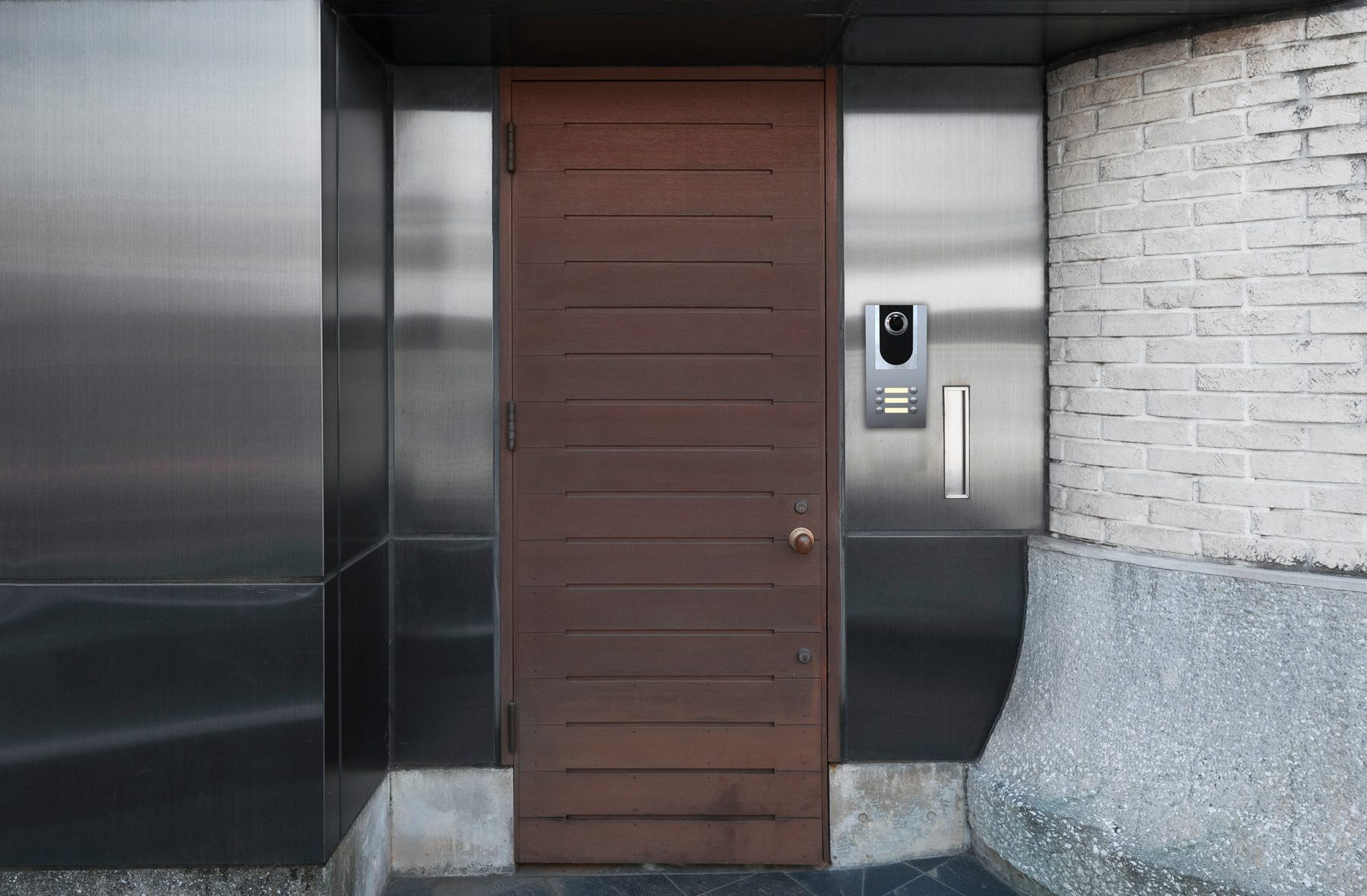
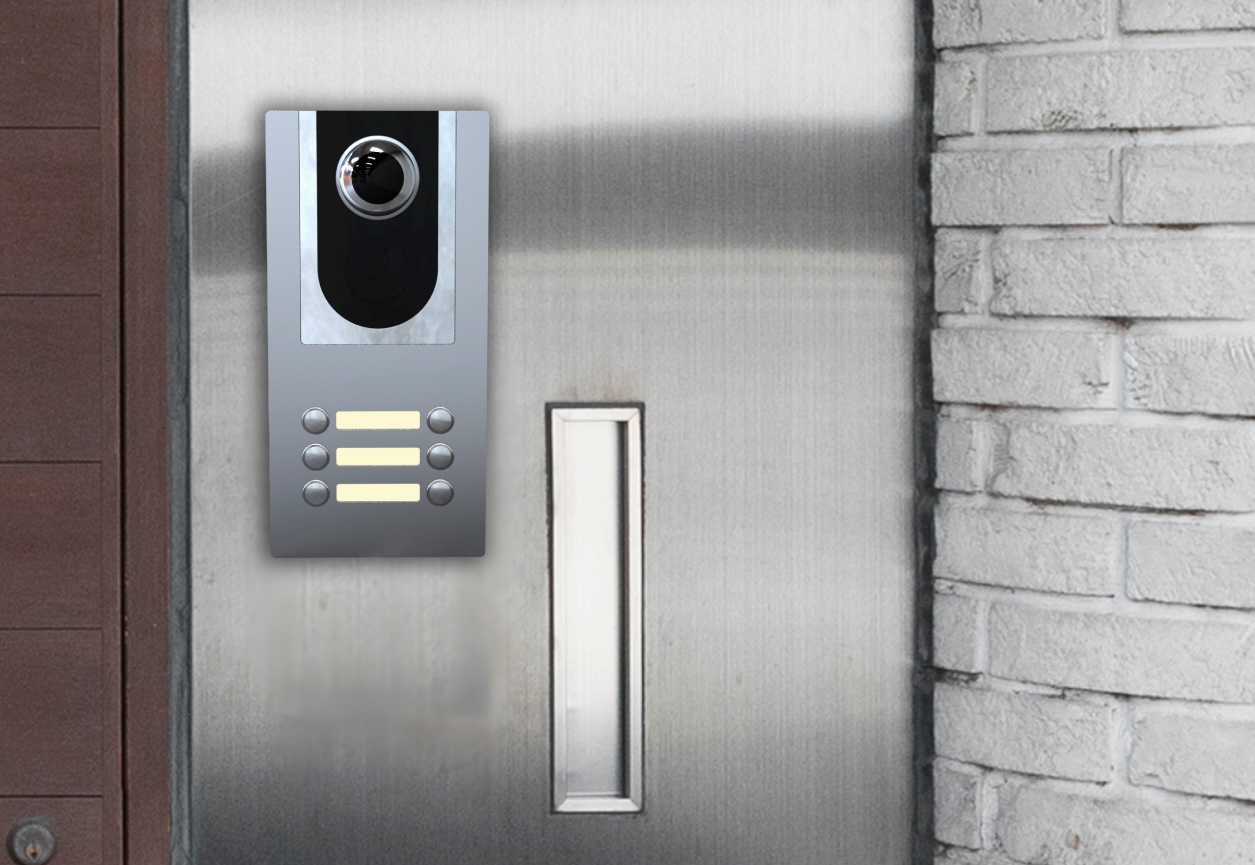
The standard line is a brushed 304-grade stainless steel panel face with a black anodized ABS camera housing, suited for contemporary and modernist building entrances. The Economy Set 592 uses a champagne gold anodized aluminium panel with a matching gold-toned camera bezel, targeting a warm, classical aesthetic for traditional and transitional buildings, achieved as a surface finish change on the same geometry.
The dimensioned front elevation establishes the panel's proportion system: 310 mm tall by 126 mm wide, with a 20 mm radius camera bezel and a 12 to 15 mm radius microphone housing. The lower button zone holds up to three rows on a 65 mm centre spacing, each row carrying two 7.5 mm radius call buttons flanking an illuminated name-plate strip.
| Dimensions | 126 x 310 x 55 mm (W x H x D) |
| Panel material | 304 stainless steel, brushed / anodized aluminium, gold |
| Housing | Die-cast zinc alloy back shell |
| Camera | Wide-angle CMOS, 120° FOV, F1.8 fixed lens |
| Button units | 1 to 3 rows x 2 buttons, plus illuminated name plate |
| Protection | IP54 rated (IEC 60529) |
| Operating temperature | -10°C to +55°C |
| Mounting | Surface mount or flush mount, with adjustable bracket |
| Power | 12 to 24 V DC via 2-wire bus |
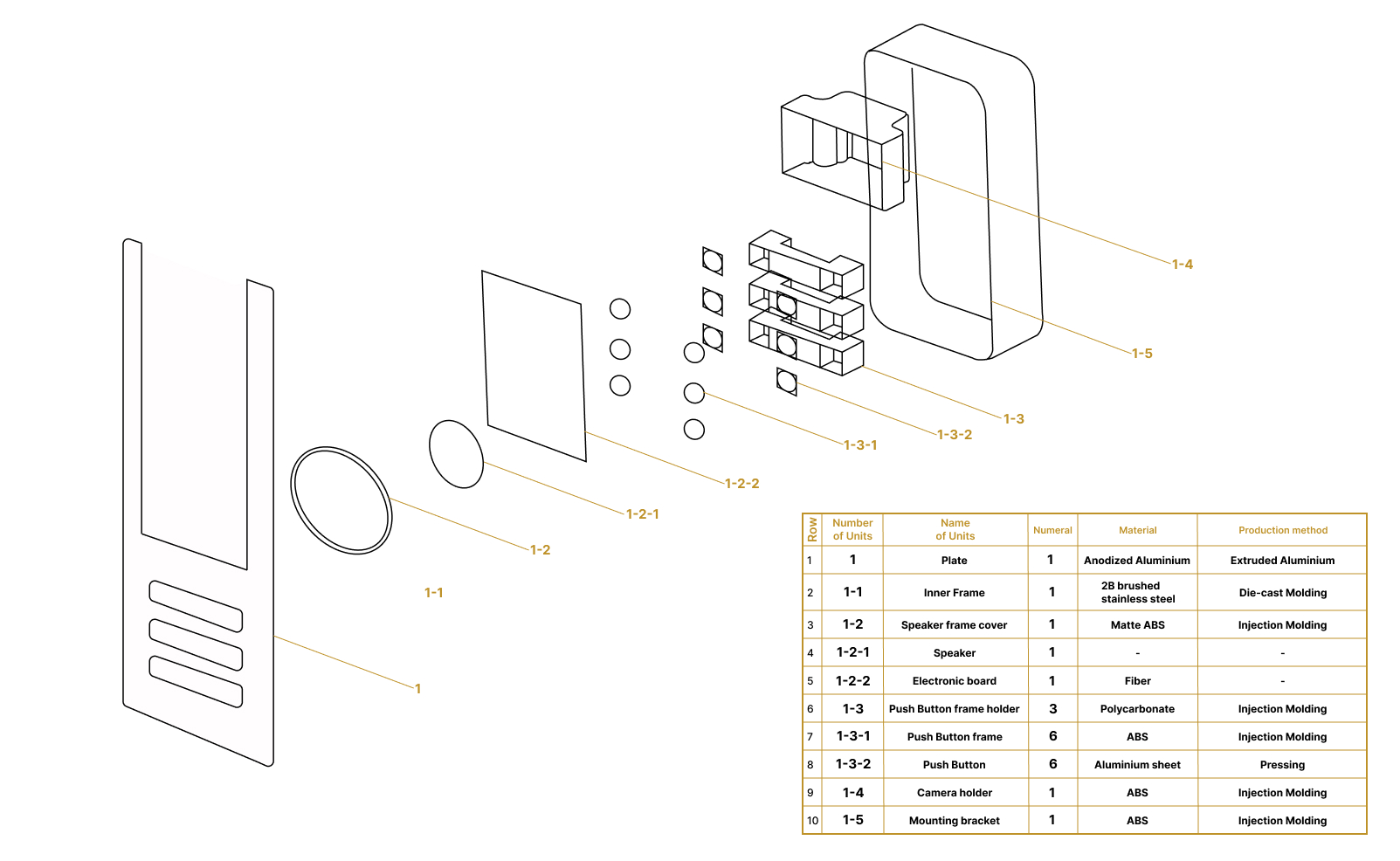
The panel decomposes into a small set of primary assemblies that nest together without adhesives, secured by countersunk screws through the back plate. This architecture allows field servicing of any component without replacing the full unit, the front plate, the speaker and electronic board sub-assembly, the push-button frame and buttons, the camera holder, and the mounting bracket all separate cleanly.
2B brushed stainless steel front panel, offering corrosion resistance and UV stability. Manufactured from a 1.5 mm sheet, formed and CNC bent for a durable, architectural finish on the standard product line.
6063-T5 aluminium alloy with Type II anodizing in champagne gold, used for Economy Set 592. Maintains the same geometry as the standard version, allowing a cost-efficient colour variant without new tooling.
Black PC/ABS injection-molded camera sub-panel, UV-stabilized with a matte texture to reduce fingerprints and minimize lens flare. Integrates both the camera and speaker assemblies.
Zamak 5 die-cast back housing for structural rigidity and EMI shielding. Accepts M4 threaded inserts for screw assembly. Powder-coated matte dark grey.
Extruded EPDM perimeter gasket compressed between the front panel and back housing. Provides IP54 ingress protection against rain and dust, temperature stable from -40°C to +120°C.
Milky-white PC diffuser strips with LED edge-lit backlight. Laser-engravable or slot-in paper label, providing night-time visibility for unit numbers and resident names.
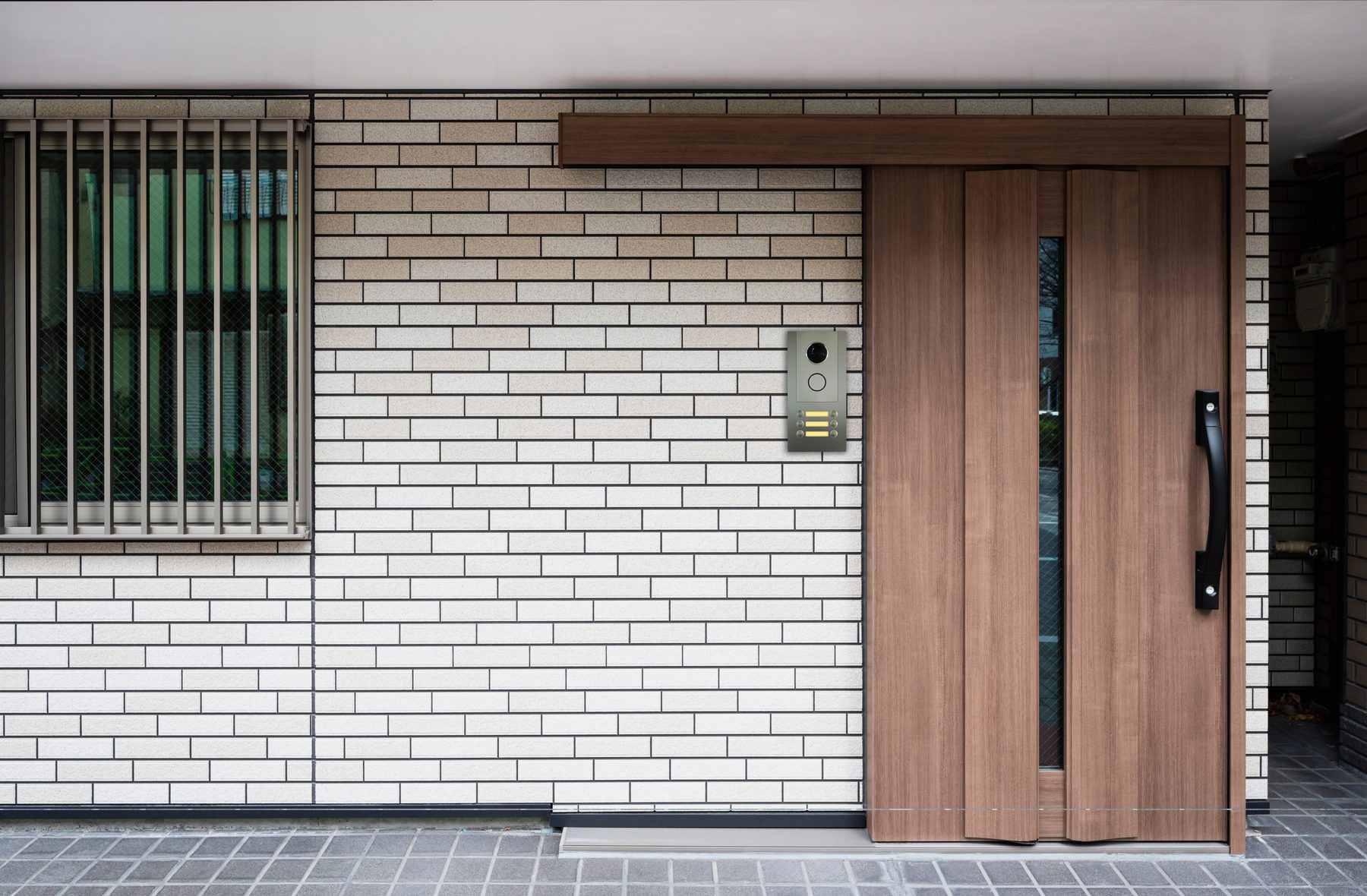
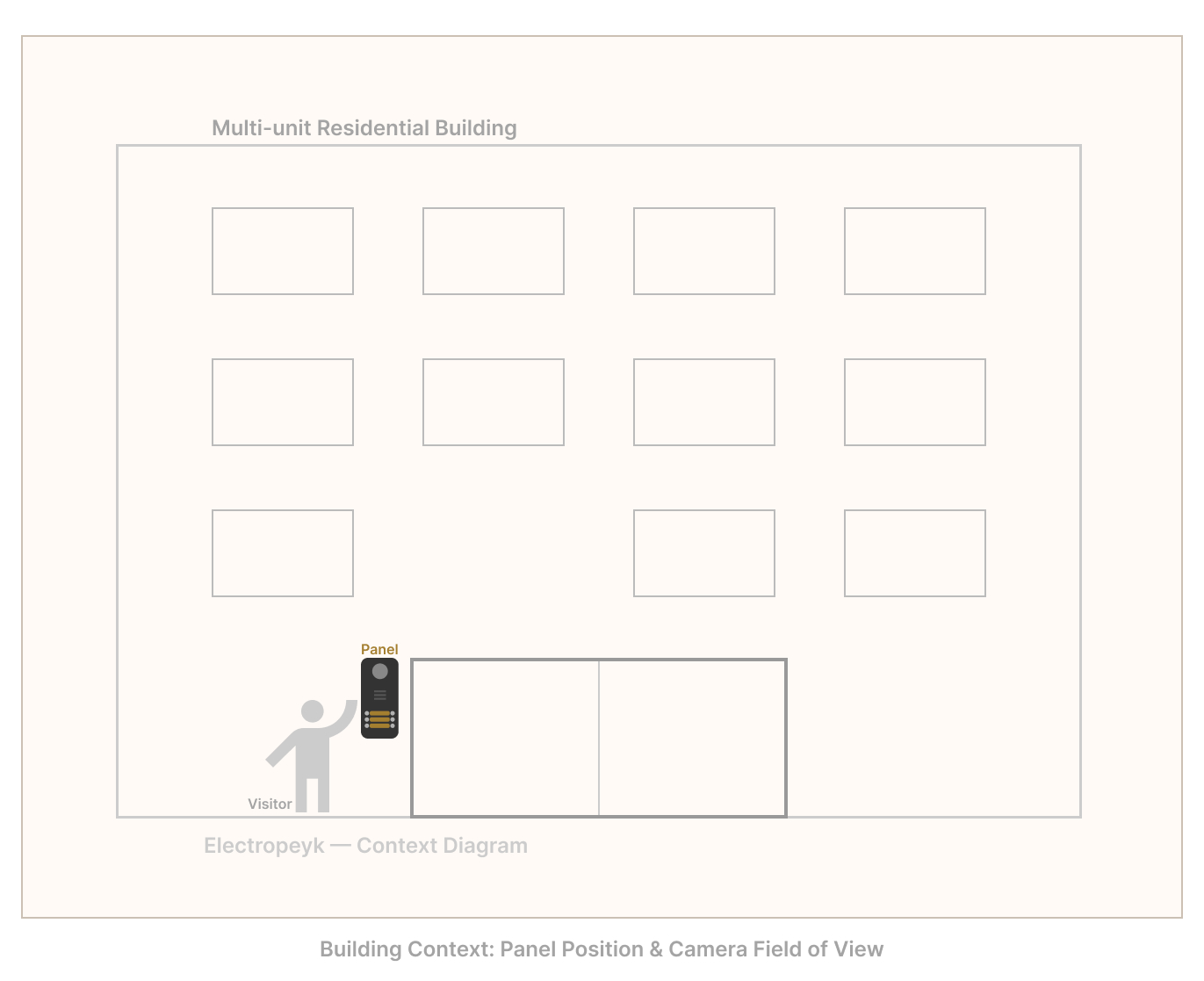
The panel is mounted at 150 to 160 cm eye height beside the door. The illuminated name-plate strips are visible even in low light, displaying resident or unit numbers.
The visitor reads the name on the backlit plate and presses the corresponding call button. The button has a tactile click and triggers a ring signal to the resident's indoor monitor.
The 120° wide-angle camera captures the visitor's face and the immediate entry zone. The resident sees live video on their indoor monitor and speaks with the visitor via two-way audio.
If access is granted, the resident presses the door-release button on the indoor monitor. The panel's relay activates the door lock, and the visitor enters without the resident coming to the door.
The panel was designed for the dominant Iranian residential building typology: mid-rise apartment blocks of 4 to 12 floors with a single shared entrance gate or lobby door. The product needed to work equally well flush-mounted into rendered concrete, embedded in stone cladding, or surface-mounted on steel gate pillars.
Separating the camera module into a clearly defined upper sub-panel, a black ABS inset within the metallic main body, was the central formal decision. It let the camera feel like a precision optical instrument rather than a utilitarian add-on, and created a visual logic that telegraphed the product's function at a glance.
Rather than trying to hide the existing button units or camera assembly behind a seamless face, the design articulated them, using the recessed sub-panel and defined zones to make the constraints read as deliberate architecture. The mechanical team's requirements around spacing and PCB routing became the rhythm of the button section.
Changing from brushed stainless to champagne gold anodized aluminium for Economy Set 592 was a surface-only decision, zero new tooling, zero new parts. The gold finish was chosen to evoke warmth and align with aesthetic preferences in traditional Iranian residential contexts, where chrome-and-gold hardware is culturally prevalent.
A slight forward cant of the top cap edge, just 3°, was added after early prototype feedback showed water pooling at the camera bezel joint. The fix required only a die-line change on the top cap tool insert, not a full redesign.
The lower section was designed as a stack of identical row modules, each housing one dual-button plus name-plate unit. A 2-unit apartment building and a 6-unit building could use the same camera panel and top cap, with only the number of button rows varying, reducing assembly time in production compared to previous generation panels.
| Component | Cost | Aesthetic | Durability | Manufacturing |
|---|---|---|---|---|
| Premium, brushed SS | Higher | Contemporary, cool | High, corrosion-resistant | Formed & CNC bent |
| Economy Set 592, gold | Same tooling | Warm, classical | High, same substrate | Same geometry, new anodizing |
| ABS camera housing | Low | Matte, precision cue | UV-stabilized | Injection molded |
| Zinc back shell | Moderate | Not visible | Rigid, EMI shielding | Die-cast |
The full design direction was developed from the initial brief, defining the two-zone panel hierarchy, proportion system, and formal language, generating thumbnail explorations and selecting the direction taken forward. Full 3D CAD models of all panel variants were built, coordinating geometry with the mechanical R&D team to maintain component clearances, PCB routing, and mounting bracket compatibility throughout.
Photorealistic renders of all three panel variants were produced in contextual environments for internal review and client presentation, including the standard brushed steel and Economy Set 592 gold finishes. The material strategy for both product lines was defined, specifying 304 brushed stainless for premium and 6063-T5 anodized aluminium in champagne gold for the Economy Set 592, enabling a two-finish range from a single toolset.
R&D Department, Electropeyk. Negotiated design intent against engineering constraints, particularly wall thickness, button module stacking tolerances, and IP54 weatherseal integration.
Electropeyk internal team.
In-house workshop.